 ultimate-guide
Batch-to-Batch Peptide Reproducibility: A Research Guide
Table of Contents
- What Batch-to-Batch Peptide Reproducibility Means
- Why Batch Variation Affects Your Experimental Outcomes
- Understanding Third-Party Peptide Testing Standards
- How to Interpret Your Certificate of Analysis
- Peptide Storage and Stability Protocols for Consistent Results
- Practical Checklist for Verifying Batch Consistency
- Common Sources of Batch-to-Batch Variation and How to Minimize Them
- Conclusion
Last Updated: August 25, 2026
What Batch-to-Batch Peptide Reproducibility Means
Batch-to-batch peptide reproducibility refers to the consistency of peptide quality, purity, and functional properties across different production runs. When you order peptides from a supplier, reproducibility means that a peptide synthesized today will have the same chemical composition, identity, and performance characteristics as one synthesized months ago or in the future.
This consistency matters because your research depends on it. If peptide batches vary in purity, identity, or stability, your experimental results become unreliable. You can't distinguish between real biological effects and noise introduced by inconsistent materials. At BlueWaveCompound, we understand that batch-to-batch peptide reproducibility isn't optional for rigorous research. Every batch is third-party lab tested and accompanied by a Certificate of Analysis to document exactly what you're working with.
The foundation of reproducibility rests on three elements: standardized synthesis protocols, rigorous quality control testing, and detailed documentation. When all three are in place, you can trust that your experimental outcomes reflect biology, not material variation.
Why Batch Variation Affects Your Experimental Outcomes
Batch variation introduces experimental noise, random fluctuations that obscure the signal you're trying to measure. If your peptide batches differ in purity or identity, you're running experiments with slightly different materials each time, making data harder to interpret and conclusions less reliable.
Consider a dose-response study with a peptide ligand: Batch A has 98% purity; Batch B has 96% purity. The 2% difference changes the effective concentration in your experiment, shifting your dose-response curve and potentially leading to incorrect conclusions about potency or unexpected variability that complicates statistical analysis.
When batches are inconsistent, you face several downstream problems:
- Experimental replication becomes difficult. Colleagues attempting to replicate your work using a different batch may get different results due to material variation, not protocol failure.
- Statistical power decreases. More batch-related noise requires larger sample sizes to detect real effects.
- Data integrity questions arise. Reviewers may question whether results are reproducible or artifacts of material variation.
- Regulatory submissions face scrutiny. Regulators expect evidence that research materials are consistent.
The practical fix is straightforward: verify that your supplier maintains batch-to-batch peptide reproducibility through rigorous testing and documentation.
Understanding Third-Party Peptide Testing Standards
Third-party peptide testing means an independent analytical laboratory, not the manufacturer, analyzes your batch to verify quality. This independence removes any financial incentive to overlook purity issues or identity problems.
When you receive a peptide from a reputable supplier, the accompanying Certificate of Analysis documents third-party testing results. Common analytical methods include:
- High-Performance Liquid Chromatography (HPLC): Separates peptide components and measures purity by showing the percentage of target peptide versus impurities or degradation products.
- Mass Spectrometry: Confirms peptide identity by measuring exact molecular mass, verifying you have the correct sequence.
- Amino Acid Analysis: Hydrolyzes the peptide and measures amino acid composition, providing an independent check on identity and purity.

Third-party testing prevents unverified purity claims. With independent testing, you have documented evidence. If a batch fails to meet specification, the third party catches it before it reaches your lab. Research institutions increasingly require third-party testing as a condition of purchasing, recognizing it as essential for experimental integrity.
How to Interpret Your Certificate of Analysis
A Certificate of Analysis translates analytical results into actionable information. Learning to read it properly is essential for verifying batch-to-batch peptide reproducibility.
A typical COA contains these key sections:
Product Identity. Confirms you have the correct peptide by listing the name, sequence, molecular weight, and lot number. Cross-reference this with your purchase order.
Purity Results. HPLC data shows the percentage of target peptide versus impurities. For research-grade peptides, expect purity of 95% or higher, with premium suppliers often exceeding 98% (peer-reviewed research).
Mass Spectrometry Data. Reports measured mass compared to theoretical mass. A match confirms the sequence is correct; a discrepancy suggests misidentification or unexpected modifications.
Lot Number and Date. Every batch receives a unique lot number and testing date, enabling traceability essential for batch-to-batch peptide reproducibility.
Storage Conditions and Stability Data. Information about storage before testing and recommendations for post-receipt storage.
When reviewing a COA, verify that identity matches your order, purity is within acceptable range, mass spectrometry confirms the correct sequence, lot number is clearly documented, and testing dates are current. If a COA is vague or lacks third-party verification, request clarification from your supplier.
Peptide Storage and Stability Protocols for Consistent Results
How you store peptides after receipt directly affects batch-to-batch peptide reproducibility. A high-purity peptide degrades if stored improperly, turning premium material into an unreliable reagent.
Peptides are vulnerable to hydrolysis (moisture breaks peptide bonds), oxidation (oxygen reacts with amino acids), enzymatic degradation (proteases cut peptides), and temperature effects (heat accelerates degradation) (peer-reviewed research).
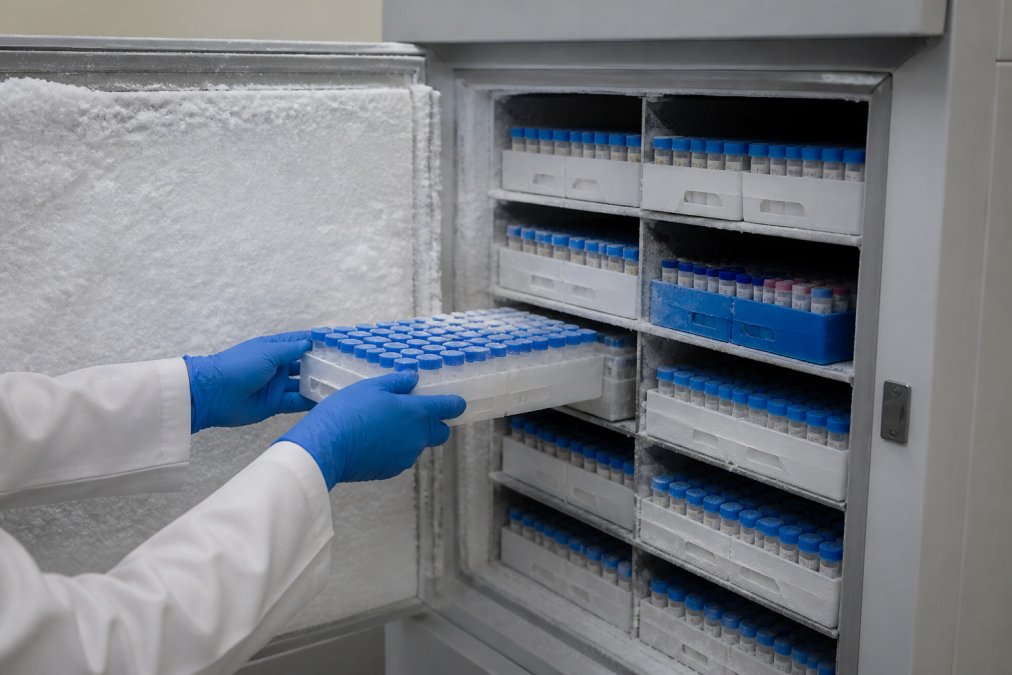
Standard storage protocols for lyophilized peptides:
Freezer storage at -20°C or lower. Most research-grade peptides remain stable for extended periods, often years, at this temperature (peer-reviewed research).
Desiccation. Keep peptides dry in sealed vials with desiccant packets. Moisture is the primary enemy of peptide stability.
Minimize freeze-thaw cycles. Each thaw exposes remaining peptide to moisture and temperature fluctuation. Divide into smaller aliquots if frequent use is needed.
Protect from light. Store in opaque containers or dark freezers to prevent photodegradation.
Document storage conditions. Keep a log noting receipt date, opening date, and observations. If results become inconsistent, this helps identify whether storage conditions changed.
For peptides in solution, refrigeration (2-8°C) with preservatives like sodium azide is required, though solution storage is less stable than lyophilized storage.
Proper storage maintains batch-to-batch peptide reproducibility over time. A correctly stored peptide will perform the same way months after purchase as it did on day one.
Practical Checklist for Verifying Batch Consistency
Before committing a new peptide batch to critical experiments, verify it meets your standards using this systematic approach.
Documentation Review
- Certificate of Analysis includes third-party testing results
- Lot number and testing date are clearly documented
- Purity is reported with a specific percentage
- Mass spectrometry data confirms correct molecular weight
- Storage recommendations match your planned conditions
Visual Inspection
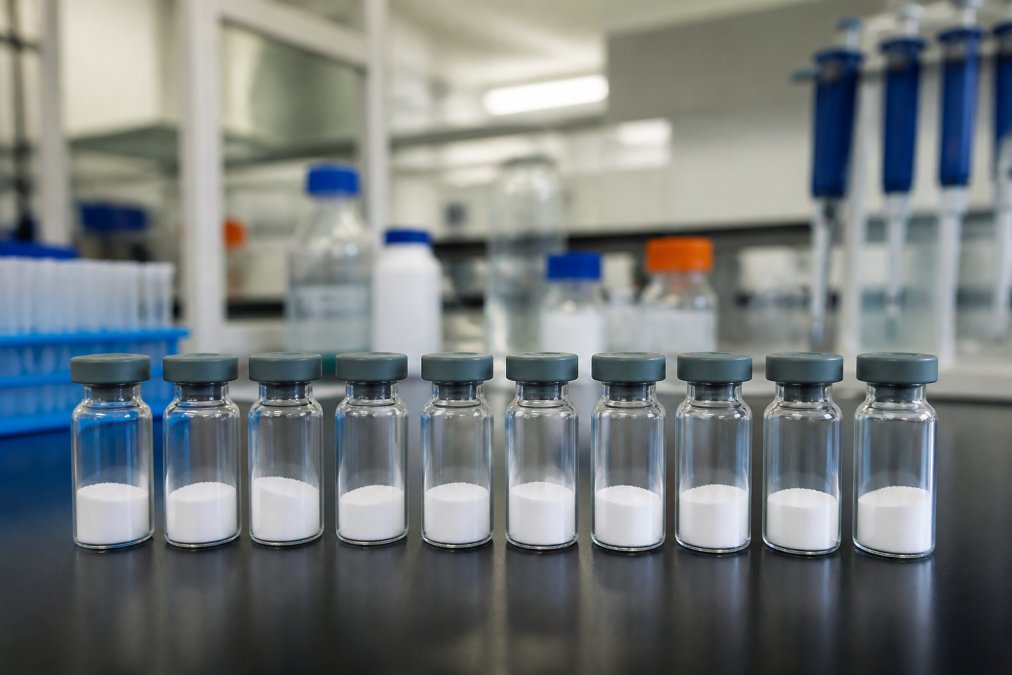
- Lyophilized peptide appears as white or off-white powder
- Vial seal is intact with no signs of leakage
- Desiccant packet is dry and intact
- No visible discoloration, crystallization, or contamination
Comparison to Previous Batches
- COA purity is within 1-2% of previous batches
- Mass spectrometry data matches theoretical mass within expected accuracy
- Storage recommendations are consistent
Small-Scale Testing (Optional)
- Reconstitute a small amount and inspect for solubility issues
- Run a small preliminary experiment to confirm expected behavior
- Compare results to archived material if available
Supplier Communication
- Contact your supplier if COA data is missing or unclear
- Ask about synthesis method and process changes since your last order
- Request historical purity data for repeated orders to spot trends
This checklist takes 15-30 minutes and prevents hours of wasted experimental time.
Common Sources of Batch-to-Batch Variation and How to Minimize Them
Understanding variation sources helps you identify and work around them.
Synthesis Protocol Drift. Small changes in reagent concentration, reaction temperature, or coupling time accumulate, resulting in different purity or yield. Suppliers using documented, validated protocols with regular instrument maintenance minimize this variation.
Reagent Quality Variation. Amino acids, coupling reagents, and solvents must meet high standards. If reagent suppliers change manufacturing processes or batches vary, peptide synthesis reflects that variation. Premium suppliers test incoming materials from qualified vendors.
Purification and Lyophilization Variables. Purification method affects which impurities are removed. Lyophilization parameters influence the final product's appearance and stability. Validated, documented processes produce more consistent results.
Storage and Handling Before Testing. Improper storage between synthesis and testing affects Certificate of Analysis results. Reputable suppliers maintain cold-chain integrity and test promptly after synthesis.
Environmental Factors. Humidity, temperature, and atmospheric conditions influence synthesis and purification. Climate-controlled facilities with validated environmental monitoring produce more consistent batches.
To minimize batch-to-batch peptide reproducibility issues:
- Choose suppliers with documented quality systems and validated protocols.
- Review historical COA data for consistency across batches.
- Communicate your requirements to your supplier.
- Archive samples from each batch for comparison if unexpected variation occurs.
- Run small preliminary experiments with new batches before large-scale work.
Batch-to-batch peptide reproducibility is achievable when suppliers implement rigorous controls and you verify quality upon receipt.
Ensuring batch-to-batch peptide reproducibility is fundamental to research that produces reliable, publishable results. The consistency of your materials directly determines the confidence you can place in your conclusions. BlueWaveCompound provides research-grade peptides with third-party lab testing and detailed Certificates of Analysis specifically to support this reproducibility. When you choose a supplier that prioritizes quality documentation and independent verification, you're investing in experimental integrity. Shop All Peptides and experience the difference that rigorous quality control makes in your research outcomes.
Frequently Asked Questions
Why is batch-to-batch reproducibility critical in peptide research?
Batch-to-batch peptide reproducibility ensures that your experimental results are reliable and comparable across multiple studies. When peptide batches vary in purity, identity, or potency, experimental noise increases and your findings become difficult to validate or replicate. Consistent batches reduce variability from your materials, allowing you to isolate the true effects of your experimental conditions rather than chasing artifacts caused by reagent differences. This is especially important for quantitative proteomics and drug discovery work where material consistency directly impacts data integrity.
What factors contribute to peptide batch variability?
Peptide batch variability stems from multiple sources during synthesis, purification, and handling. Manufacturing standards, reagent consistency, and the precision of peptide synthesis protocols all influence the final product. Environmental conditions during production, such as temperature and humidity, affect chemical reactions. Purification methods and mass spectrometry calibration determine final purity profiles. Post-synthesis handling, including lyophilization conditions and storage temperature, further impacts stability. Even minor deviations in any of these steps compound to create lot-to-lot variation that affects experimental robustness.
How does a Certificate of Analysis help verify peptide consistency?
A Certificate of Analysis (COA) documents the analytical testing results for a specific batch, providing quantitative data on purity, identity, and potency. It includes mass spectrometry data, HPLC analysis results, and sequence verification that confirm the peptide meets stated specifications. By comparing COAs across multiple batches from the same supplier, you can identify trends in quality and detect batches that fall outside your acceptable range before they enter your experiments. This documentation also supports regulatory compliance and enables traceability for research institutions requiring vendor accountability.
What are the best practices for storing peptides to maintain stability?
Peptide storage and stability protocols require freezer storage at -20°C or lower to minimize degradation. Keep peptides in sealed, airtight containers away from light and moisture. Lyophilized peptides are more stable than solutions; if you must use solutions, store them at -80°C and minimize freeze-thaw cycles. Document storage conditions and shelf life limits provided in your COA. For long-term storage, -80°C freezers or liquid nitrogen are preferred. Before use, allow frozen peptides to reach room temperature in a sealed container to prevent condensation. Proper storage directly preserves the purity profile and mass accuracy that your initial batch testing confirmed.
This article was written using GrandRanker