 ultimate-guide
Peptide Certificate of Analysis Explained
Table of Contents
- What Is a Peptide Certificate of Analysis?
- Why a Certificate of Analysis Matters for Research Peptides
- Key Components You'll Find on Every Peptide COA
- How to Verify Peptide Purity from a COA
- Peptide HPLC vs Mass Spectrometry: Understanding the Difference
- Third-Party vs In-House Testing: Why It Matters
- How to Spot a Fake Peptide COA
- Conclusion
Last Updated: August 29, 2026
What Is a Peptide Certificate of Analysis?
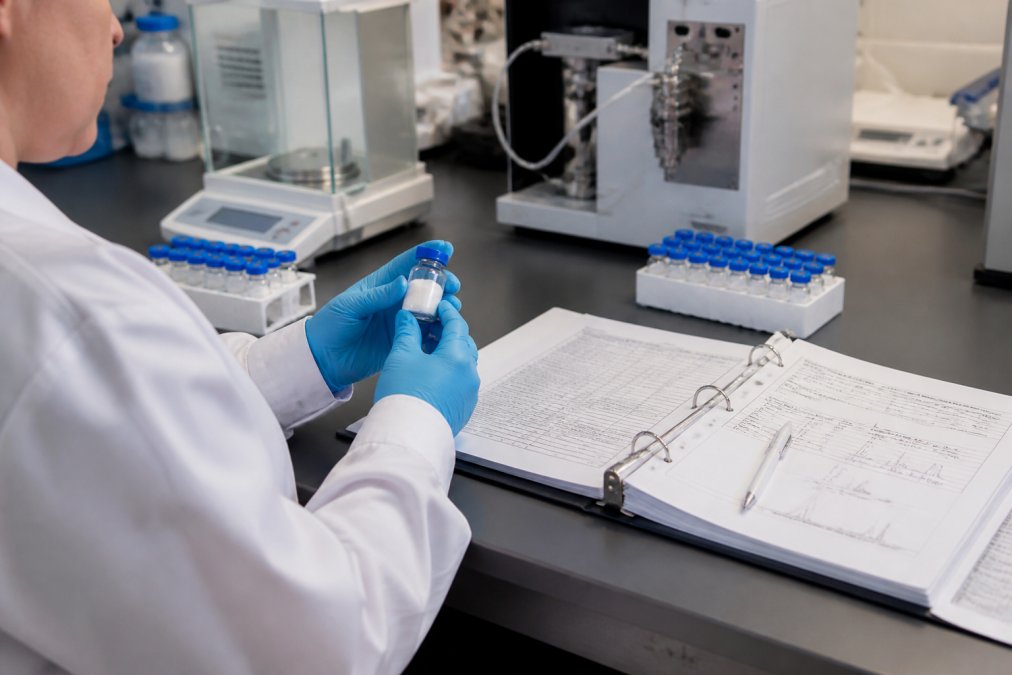
A peptide certificate of analysis is a detailed laboratory report documenting the chemical composition, purity, and quality specifications of a peptide batch. It serves as the official verification that a research compound meets predetermined standards before use in experimental work.
Every peptide certificate of analysis includes quantitative and qualitative data from analytical testing. This document confirms the identity of the compound, measures its purity percentage, and documents any impurities or contaminants detected during testing. For researchers working with high-stakes biochemical studies, this certificate represents the foundation of experimental reproducibility.
The certificate typically includes batch-specific information, testing methodologies, and results from multiple analytical techniques. At BlueWaveCompound, we provide comprehensive certificates of analysis with every peptide order, ensuring you have complete transparency into the quality of your research materials.
Think of the certificate as a fingerprint for each batch. Two batches of the same peptide from different manufacturing runs will have slightly different analytical profiles. The certificate captures those differences, allowing you to track consistency over time and correlate your experimental results back to the exact materials you used.
Why a Certificate of Analysis Matters for Research Peptides
The difference between a successful experiment and a failed one often comes down to material quality. When your peptide doesn't perform as expected, the question becomes: was it your protocol, or was it the compound?
A peptide certificate of analysis eliminates that ambiguity. It provides objective evidence of what you actually received. This matters enormously when you're publishing results, defending a dissertation, or building a drug candidate. Peer reviewers and regulatory bodies expect to see third-party testing documentation. Without it, your findings lack the evidentiary foundation they need.
Many laboratories have experienced the frustration of batch-to-batch inconsistency. One shipment works perfectly; the next one produces noisy data. The certificate of analysis helps you identify whether the problem is material degradation, purity variation, or something in your technique. This diagnostic capability alone can save weeks of troubleshooting.
Institutional procurement teams also rely on certificates of analysis to validate vendor claims. Your PI may trust a supplier, but your institution's compliance office needs documented proof that the compound meets specifications. The certificate satisfies that requirement without additional testing on your end.
Research-grade peptides demand documentation that commodity-grade suppliers often skip. BlueWaveCompound includes third-party lab testing and full certificates of analysis with every order because we understand that your research reputation depends on material integrity.
Key Components You'll Find on Every Peptide COA
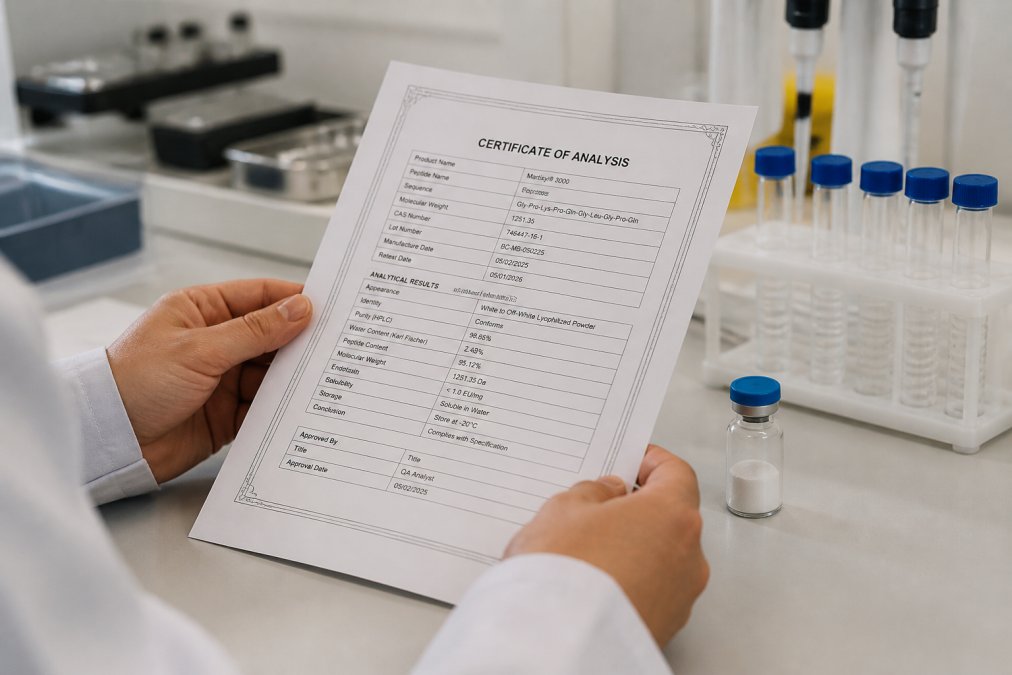
Batch Number and Manufacturing Date
The batch number is your reference point for traceability. Every vial from a manufacturing run receives the same batch identifier, allowing you to link your experimental results directly to a specific production cycle. This becomes critical if you need to recall materials, reproduce results months later, or correlate unexpected outcomes to a particular batch.
The manufacturing date tells you how old the compound is. Peptides are sensitive molecules. Even under optimal storage conditions, they degrade over time. A certificate showing a manufacturing date from two years ago raises questions about stability, especially if the peptide hasn't been stored in a freezer at -20°C or lower. The manufacturing date also helps you calculate shelf life and plan your ordering schedule.
Purity Percentage and HPLC Results
Purity percentage is the headline metric. A peptide certificate of analysis typically reports purity as a percentage, often 95%, 98%, or 99% and higher (peer-reviewed research). This figure represents the proportion of the target peptide versus all other substances in the vial, including related peptides, synthesis byproducts, and residual solvents.
High-performance liquid chromatography (HPLC) is the standard analytical method for measuring purity. The certificate includes the chromatogram, a graph showing peaks at different retention times. The largest peak represents your target peptide. Smaller peaks represent impurities. The area under each peak is calculated and converted to a percentage of the total area. This gives you the purity number.
Understanding the chromatogram matters. A peptide at 99% purity with one small impurity peak is very different from one at 99% purity with five small peaks. The certificate should show you both the overall purity and the impurity profile. This level of detail helps you assess whether the compound is suitable for your specific application.
Molecular Weight and Amino Acid Sequence
The molecular weight confirms you received the correct compound. Each peptide has a theoretical molecular weight based on its amino acid sequence. The certificate lists both the theoretical and observed molecular weight. If they match within acceptable tolerance (typically within 0.5 Daltons for small peptides), you have the right compound (peer-reviewed research).
The amino acid sequence on the certificate should match exactly what you ordered. This seems obvious, but it's a critical verification step. A single amino acid substitution changes the peptide's properties dramatically. The certificate provides the sequence as confirmation that synthesis was performed correctly.
Sterility and Endotoxin Testing
Sterility testing confirms the peptide is free from bacterial and fungal contamination. This matters particularly if your research involves cell culture or animal models. A contaminated batch can destroy months of work by introducing variables you can't control.
Endotoxin levels are measured separately. Endotoxins are lipopolysaccharides from gram-negative bacteria. Even if a peptide is sterile (no living organisms), residual endotoxins can trigger immune responses in cell cultures or animal studies. The certificate specifies endotoxin levels in endotoxin units per milligram (EU/mg). For most research applications, levels below 1 EU/mg are considered acceptable, though your specific protocol may have stricter requirements (the FDA).
How to Verify Peptide Purity from a COA
Start by comparing the reported purity percentage to your experimental requirements. If you're running a preliminary feasibility study, 95% purity may be adequate. If you're validating an analytical method or preparing a manuscript, 99% purity is more defensible. The certificate gives you the data to make that assessment.
Next, examine the HPLC chromatogram. Look at the number and size of impurity peaks. A single small peak at 99% purity is preferable to multiple peaks totaling 99% purity. Ask yourself: could any of these impurities interfere with my experiment? If you're measuring binding kinetics, a related peptide impurity could skew your results. If you're doing a structural study, minor byproducts may not matter.
Cross-reference the molecular weight. Calculate it independently using the amino acid sequence. Online tools make this simple. If the observed molecular weight deviates significantly from the theoretical value, request clarification from your supplier. This discrepancy could indicate an error in synthesis or analysis.
Check the batch number against your purchase order and shipping documentation. Confirm you received the batch that was tested. Occasionally, logistics errors result in the wrong batch being shipped. The batch number on your vial should match the batch number on the certificate.
Verify the testing laboratory's credentials. A third-party laboratory adds credibility that in-house testing cannot match. Look for ISO 17025 accreditation or equivalent quality certifications. BlueWaveCompound uses third-party laboratories for all peptide certificate of analysis documentation, providing you with independent verification.
Peptide HPLC vs Mass Spectrometry: Understanding the Difference
HPLC and mass spectrometry are complementary analytical techniques. They answer different questions and are often used together on a peptide certificate of analysis.
High-performance liquid chromatography separates peptide molecules based on their chemical properties as they pass through a column. The detector measures how much material emerges at each time point. HPLC tells you about purity, how much of your target peptide is present versus impurities. It's excellent for detecting related peptides and synthesis byproducts that have similar but not identical properties.
Mass spectrometry measures the mass-to-charge ratio of molecules. It ionizes peptide molecules and sorts them by their molecular weight. Mass spectrometry provides definitive identification of your compound and can detect post-translational modifications or unexpected chemical changes. It's particularly useful for confirming that you have the correct amino acid sequence.
HPLC answers: "Is my peptide pure?" Mass spectrometry answers: "Is this the correct peptide?" A comprehensive peptide certificate of analysis includes both techniques. HPLC provides the purity percentage and impurity profile. Mass spectrometry confirms molecular weight and identity.
For research applications, HPLC data is usually sufficient for routine quality verification. Mass spectrometry becomes essential when you need absolute confirmation of structure, particularly for novel sequences or when trace modifications could affect your results. The certificate should clearly indicate which techniques were performed and how to interpret the results.
Third-Party vs In-House Testing: Why It Matters
In-house testing means the supplier tests their own product. While this is better than no testing, it introduces a potential conflict of interest. A supplier has financial incentive to report that their batch meets specifications, even if quality is borderline.
Third-party testing means an independent laboratory receives a sample and performs analysis without knowledge of the supplier's identity or commercial interests. The testing laboratory has no stake in whether the batch passes or fails. This independence is what makes third-party results credible for publication, regulatory submission, and institutional procurement.
When you see a peptide certificate of analysis from a third-party laboratory, you're getting objective data. The laboratory's reputation depends on accurate reporting. This reputational risk creates accountability.
For academic research, third-party testing is increasingly expected. Journals and conference reviewers want to see evidence that materials were independently verified. For drug discovery and development, regulatory bodies require third-party documentation. A certificate of analysis from an in-house lab may not satisfy FDA or EMA requirements.
Reputable suppliers, including BlueWaveCompound, include third-party testing as standard, not as an upgrade. This commitment reflects confidence in product quality and respect for your research standards.
How to Spot a Fake Peptide COA
Fake or fraudulent certificates of analysis do exist. Unscrupulous suppliers sometimes provide inflated purity numbers or falsified test results. Knowing what to look for protects your research and your institution's reputation.
Missing or vague laboratory information. A legitimate certificate identifies the testing laboratory by name, address, and accreditation number. If the certificate lists only a generic "third-party lab" or provides no verifiable contact information, that's a red flag. You should be able to contact the laboratory independently to verify the results.
Unrealistic purity numbers. Peptides at 99.9% or higher purity are rare and expensive to produce. If a supplier claims 99.9% purity on a low-cost peptide, be skeptical. Typical high-quality research peptides range from 95% to 99% purity. Anything higher should include detailed explanation of the purification method used.
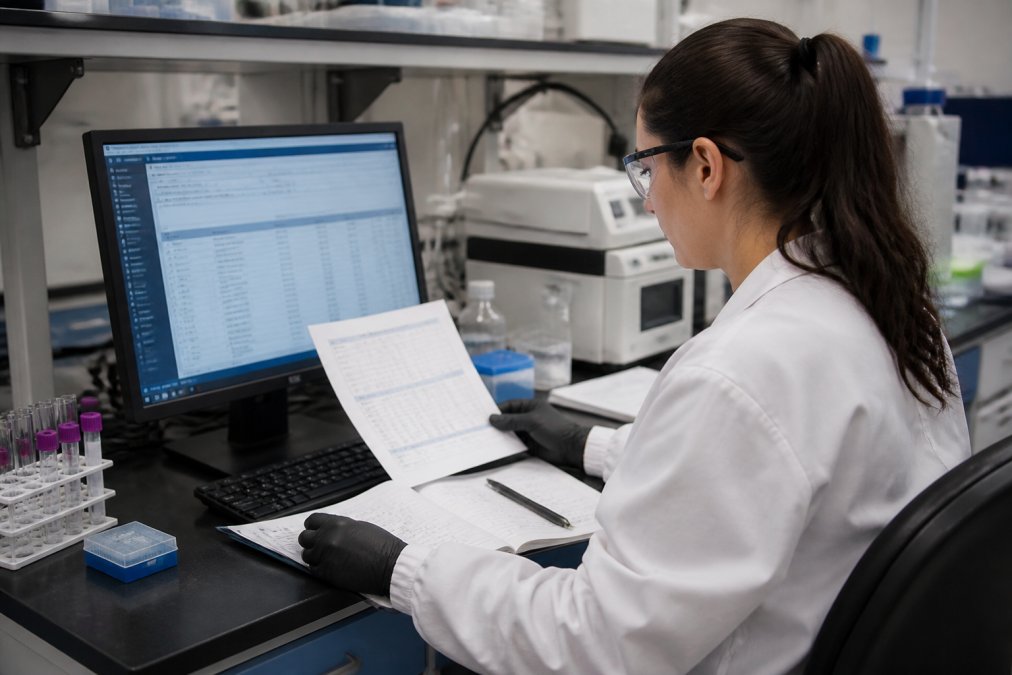
Incomplete analytical data. A real certificate shows the HPLC chromatogram, peak assignments, and integration values. If the certificate provides only a purity percentage without supporting chromatographic data, you can't verify the claim. Legitimate certificates are transparent about methodology and results.
No batch-specific information. Each batch should have a unique batch number, manufacturing date, and testing date. If the certificate uses generic language or appears to be a template with blanks filled in, question its authenticity. Batch-specific documentation is essential for traceability.
Mismatched information. Compare the batch number on the certificate to the batch number on your vial label. Compare the molecular weight to the theoretical value for your sequence. Compare the amino acid sequence to your purchase order. Discrepancies suggest either a labeling error or a fraudulent certificate.
No contact information for the laboratory. Legitimate testing laboratories provide contact details and welcome inquiries about their results. If you can't reach the lab to ask questions, that's a warning sign.
Certificate appears too polished or generic. Real laboratory reports often look utilitarian, they prioritize data over design. A certificate that looks like marketing material, with logos and graphics but minimal actual data, is suspect.
Pressure not to verify. If a supplier discourages you from contacting the testing laboratory or resists providing detailed documentation, trust your instinct. Reputable suppliers welcome verification because they have nothing to hide.
To verify a certificate's authenticity, contact the laboratory directly. Provide the batch number and ask them to confirm the results. Most legitimate laboratories maintain records and can verify past reports. This simple step catches most fraudulent certificates.
A peptide certificate of analysis is your assurance that the compound you're working with meets the standards your research demands. It transforms trust into documentation, speculation into evidence, and marketing claims into verified fact.
When you evaluate a supplier, the quality of their certificate of analysis matters as much as the price. BlueWaveCompound provides comprehensive, third-party-tested certificates with every peptide batch because we understand that your research depends on material integrity. Our commitment to transparency and documentation means you can focus on your science, not on validating your reagents.
Shop All Peptides and experience the difference that rigorous quality documentation provides.
Frequently Asked Questions
What is the purpose of a Certificate of Analysis for peptides?
A peptide certificate of analysis serves as third-party verification that your research compound meets stated purity, identity, and safety specifications. It documents analytical testing results including HPLC purity percentages, molecular weight confirmation, batch number, manufacturing date, and sterility data. This documentation enables researchers to validate experimental reproducibility and ensures the peptide batch matches your order specifications before use in biochemical studies.
How do I verify the authenticity of a peptide COA?
Verify COA authenticity by confirming the testing laboratory's credentials, checking that the batch number matches your purchased vial, and reviewing the lab's contact information against official databases. Cross-reference the reported molecular weight and amino acid sequence against your order specifications. Authentic COAs include specific retention times, chromatogram data, and quantitative purity percentages, not vague claims. Request direct contact information for the third-party laboratory to confirm the report if any details seem inconsistent.
What is an acceptable purity percentage for research-grade peptides?
Research-grade peptides typically require purity of 95% or higher, with premium research applications often demanding 98% or greater purity. The acceptable threshold depends on your specific experimental protocol and whether impurities could interfere with your assay. Review your laboratory's validation requirements and consult your principal investigator's protocol specifications. Higher purity reduces experimental noise and improves reproducibility, particularly in sensitive applications like mass spectrometry or receptor binding studies.
Why is third-party testing important for peptide research?
Third-party laboratory testing provides independent verification that purity claims are accurate and unbiased. In-house testing, while valuable for quality control, may lack the analytical rigor or equipment sensitivity needed for regulatory compliance or publication standards. Third-party labs maintain chain-of-custody documentation, use standardized protocols, and provide legally defensible results. This independence is critical when your research findings depend on compound quality or when your institution requires vendor compliance verification for procurement approval.
What common impurities should I look for on a COA?
Common peptide impurities include incomplete peptide chains, deletion sequences, and residual trifluoroacetic acid (TFA) from synthesis. Review the impurity profile section for acetate content and unidentified peaks on the chromatogram. Check for sterility test results and endotoxin levels, which indicate contamination during manufacturing. The COA should quantify each identified impurity as a percentage. If impurity percentages seem unusually high or unidentified peaks are present, contact the supplier before proceeding with your experiments.
What does chain of custody mean on a peptide COA?
Chain of custody documents the handling history of your peptide batch from synthesis through testing and delivery. It confirms that the tested sample is identical to the vial you received, preventing substitution or contamination during shipment. The COA should include manufacturing date, testing date, and laboratory receipt date to establish a complete timeline. This documentation is essential for regulatory compliance, publication standards, and institutional procurement requirements, particularly for government-funded research.
This article was written using GrandRanker